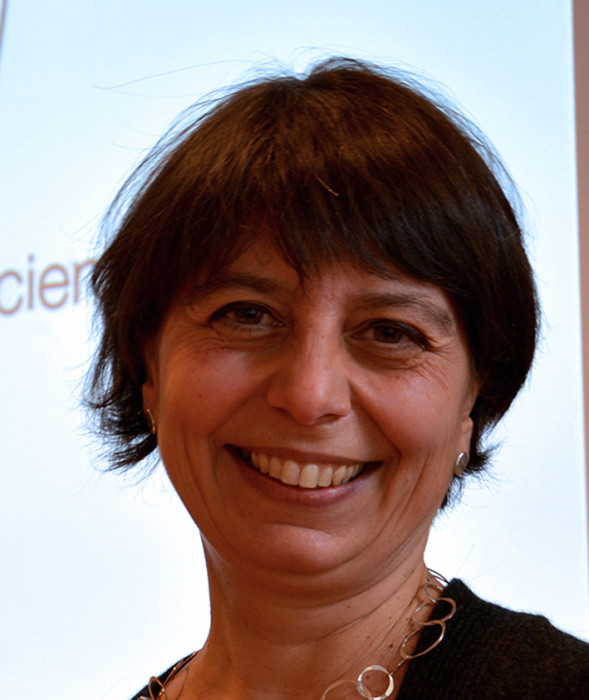
Nouchine Hadjikhani, MD, PhD, does brain research at the Martinos Center for Biomedical Imaging in Boston, where she directs the Neurolimbic research laboratory. She is also invited Professor at the Gillberg Neuropsychiatric Center in Gothenburg, Sweden. Her initial focus of research was the visual system, which over time developed into several topics, including migraine, emotion processing and autism. She has a special interest in understanding neurodevelopmental disorders, and how different conditions can affect the processing of emotions expressed not only by facial expression, but also by gaze and by body language. For her research, she has been using different techniques including fMRI, MEG and eye-tracking. She has authored more than 80 peer-reviewed paper, some of them highly cited, and is the author of a book as well as several book chapters. Recently, she was the author of a paper showing that contrary to what had been thought, individuals with autism do not lack affective empathy and that their seemingly uncaring behavior stems from personal distress and lack of ability to reappraise when observing pain in others, rather than from an absence of concern. Nouchine Hadjikhani received in 2016 the LifeWatch award for her research on autism.
More information can be found on her website: http://www.nmr.mgh.harvard.edu/nouchinelab/