Professor of Cognitive Psychology, head of the psychology department at City University London, Martin A. Conway has been studying human memory for more than thirty years. He is known for his pioneering theoretical work on autobiographical memory, as well as for his studies of the neuropsychology of memory and memory’s neurological basis. His research also includes memory impairment and enhancement, and he has recently explored the links between the ability of humans to remember past events and imagine future ones. A graduate of University College London, Dr. Conway earned a Ph.D. in psychology at Open University in 1984. He worked as post-doctoral research scientist in the Medical Research Council’s Applied Psychology Unit in Cambridge (UK) was later appointed lecturer in psychology at the University of Lancaster. He subsequently became professor and Chair of Psychology at the University of Bristol, Durham University, and the University of Leeds. A fellow of the Royal College of Arts, the British Psychological Society, the (UK) Academy of Social Sciences, the Psychonomic Society, and the American Psychological Association, he was awarded an honorary degree (Ph.D.) from the Université de Liège. He has been active in providing accessible accounts of research on memory to the public through radio and television, and has been involved in a variety of collaborations with artists that focus on memory. Dr. Conway has been an advisor in many legal cases and written extensively on memory and the law.
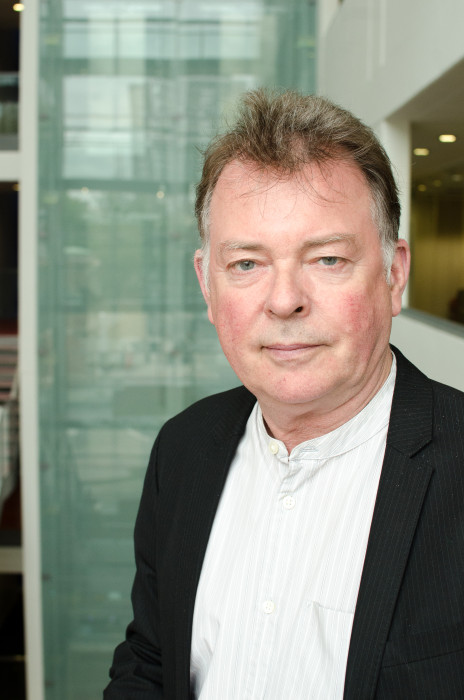
Martin Conway
Professor of Cognitive Psychology, City University London
Participant In These Roundtable Discussions
Thu
Jan 1st
2015
Jan 1st
2015
Watch
Science and the Big Questions: Roundtable Series on the Physical and Spiritual World, the Brain-Mind Connection, and Human Development and Genetics
This series of fourteen roundtables will explore fundamental questions across the sciences and humanities, including knowledge and its limits, infinity, complexity and emergence, consciousness, memory, free will, genius, development, and the nature of human experience.
Sat
Nov 7th
2015
Nov 7th
2015
Watch
Speak, Memory
This roundtable will examine how advances in memory research can deepen our understanding of the role memory plays in normal development and in shaping lived experience, while also informing efforts to address memory impairment in an aging population. It will further consider how dialogue between scientific researchers and practitioners of memory can foster mutual insights into the mechanisms, limits, and cultivation of memory across contexts.