Francis Lee is the Mortimer D. Sackler Professor and Vice Chair for Research in the Department of Psychiatry at Weill-Cornell Medical College, and attending psychiatrist at New York-Presbyterian Hospital. He received his MD and PhD from the University of Michigan, and psychiatry training at Payne Whitney Clinic and completed postdoctoral training, at New York University and the University of California, San Francisco. He has focused his research program on leveraging molecular neuroscience tools to improve our understanding of psychiatric disorders. His current research has centered on plasticity factors –neurotrophic growth factors and endocannabinoids – which have profound effects on neuronal function within neural circuits. He and his collaborators at the Sackler Institute for Developmental Psychobiology have established vertically integrated research strategies to perform parallel genetic mouse model studies with human behavioral and functional imaging studies to identify how individual variation contribute to risk and resilience for mental illness and how clinical treatments can be optimized for individuals and targeted to the biological states of the developing brain.
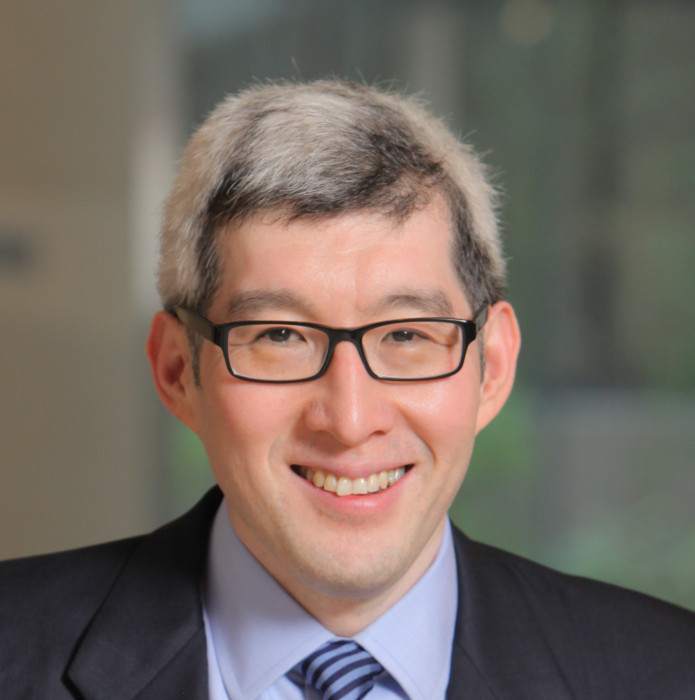
Francis Lee
Mortimer D. Sackler Professor & Vice Chair for Research, Department of Psychiatry, Weill-Cornell Medical College
Papers / Presentations
Treating the Developing versus Developed Brain: Translating Preclinical Mouse and Human Studies
Participant In These Roundtable Discussions
Thu
Jan 1st
2015
Jan 1st
2015
Watch
Science and the Big Questions: Roundtable Series on the Physical and Spiritual World, the Brain-Mind Connection, and Human Development and Genetics
This series of fourteen roundtables will explore fundamental questions across the sciences and humanities, including knowledge and its limits, infinity, complexity and emergence, consciousness, memory, free will, genius, development, and the nature of human experience.
Sat
Feb 20th
2016
Feb 20th
2016
Watch
Genes, Computers, and Medicine
These roundtables will explore how advances in computational neuroscience, molecular biology, and genomics are transforming understandings of disease, shifting perceptions of illness toward more mechanistic, data-driven, and personalized frameworks, and enabling earlier detection, refined diagnosis, and targeted therapies.
Sat
May 7th
2016
May 7th
2016
Watch
Fear: Wherefore, Whence?
This roundtable explores fear and anxiety as multi-layered phenomena involving neurobiological, physiological, behavioral, cognitive, and unconscious processes. It examines how these states are generated and experienced, compares human expressions of fear with those observed in other animals, and considers how perspectives from neuroscience, psychology, and psychoanalysis contribute to understanding anxiety as a central aspect of mental life and its broader implications for cognition and behavior.
Sat
Nov 10th
2018
Nov 10th
2018
Watch
The Future of Psychiatry
This roundtable explores the evolving landscape of mental health care, from psychoanalysis to psychopharmacology and emerging brain-based approaches. It considers how advances in neuroscience and technology may transform the diagnosis, understanding, and treatment of psychiatric conditions.